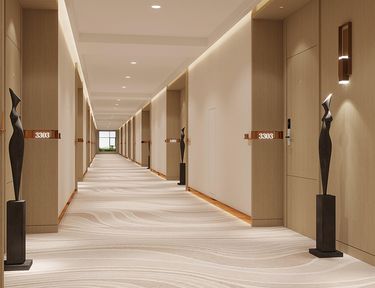
In the architectural and property management landscape, the transition from aging infrastructure to modern safety standards is a complex journey. For Old To New, this transition is our core mission. Since 1996, we have functioned as trailblazers in fire door safety, focusing on the innovative application of bio-based materials to build sustainable, high-standard building protection systems.
When upgrading an existing facility or developing a new commercial project, one question dominates the planning phase: Where are commercial fire rated doors actually required by law?
Navigating the mandates of NFPA 80, NFPA 101 (Life Safety Code), and the International Building Code (IBC) is essential. Compliance isn't just about passing an inspection—it’s about the integrity of the structure and the lives within. This guide breaks down the essential locations and technical requirements for fire-rated doors in commercial environments.
The Core Purpose: Why Building Codes Demand Fire-Rated Doors
Before identifying locations, we must understand the engineering behind the requirement. A commercial fire rated door is a precision-engineered "opening protective" designed to:
- Compartmentalize: It traps fire and toxic smoke within a specific zone, preventing a localized incident from becoming a total loss.
- Protect Egress: It keeps exit paths—like stairwells and corridors—clear of heat and smoke so occupants can evacuate.
- Maintain Structural Stability: Utilizing advanced core technologies, such as Old To New’s sustainable bio-based refractory materials, these doors withstand extreme temperatures to give first responders time to act.
High-Priority Locations: Where Fire Doors Are Mandatory
While local "Authorities Having Jurisdiction" (AHJs) may vary, most North American and international commercial codes mandate fire-rated door assemblies in the following critical areas:
A. Stairwells and Vertical Shafts
Stairwells are the primary "lifeboats" of a multi-story building. Because they act as a natural chimney for smoke, they require the most robust protection.
- Requirement: Doors leading into exit stairwell enclosures must be fire-rated.
- Typical Rating: Usually 60 to 90 minutes for buildings under four stories, and 90 minutes to 2 hours for high-rise structures.
B. Corridors and Exit Passageways
Corridors serve as the horizontal arteries of a building. To prevent fire from jumping from one office or room to the next, codes require fire-rated doors along these paths.
- Requirement: Doors in "fire partitions" separating corridors from guest rooms, classrooms, or offices.
- Typical Rating: 20 minutes is common here (often called "smoke doors"), as the primary goal is preventing smoke infiltration during the initial stages of an evacuation.
C. Hazardous Area Separations
Areas that pose a high risk of ignition or contain fuel loads must be sealed off.
- Mechanical & Boiler Rooms: Housing high-voltage equipment.
- Commercial Kitchens: High grease-fire risk areas.
- Storage Rooms: Particularly those housing flammable chemicals or high-density storage.
- Requirement: Doors in these "occupancy separations" typically require a 45 to 90-minute rating.
D. Occupancy Separations (Mixed-Use Buildings)
If a building houses different "uses"—such as a retail shop on the ground floor with apartments above—the barrier between them must be fire-rated.
Requirement: Any door puncturing a "Fire Wall" or "Fire Barrier" separating different occupancy groups.
The Old To New Advantage: Innovation Meets Tradition
At Old To New, we don't just follow codes; we drive industrial innovation. Our commercial fire-rated doors integrate two unique technological pillars:
- Sustainable Bio-Based Core: Since 2014, we have pioneered the use of plant-fiber materials (straw, reeds, and bark) to create low-cost, durable, and eco-friendly fire-retardant cores. This ensures our doors meet rigorous fire safety standards while supporting green building initiatives.
- Traditional Mortise and Tenon Craftsmanship: We have optimized the fire-rated door production process by integrating traditional Chinese woodworking joints with modern CNC machining. This ensures exceptional connection stability and structural integrity under the high-pressure conditions of a fire.
Essential Components: The Full Assembly Requirement
A common mistake in B2B procurement is ordering a "fire-rated door" but neglecting the hardware. To be code-compliant, the entire assembly must be certified:
- Permanent Labeling: Every door and frame must have a legible UL or Intertek/Warnock Hersey label. Never paint over these labels, as it voids the compliance.
- Self-Closing Devices: A fire door is useless if it is propped open. It must be equipped with a functional, fire-rated door closer.
- Positive Latching: The door must have a latch that automatically engages when closed, preventing the pressure of a fire from pushing the door open.
- Intumescent Seals: Many doors require seals that expand when heated to block toxic fumes and smoke from leaking through the gaps.
Retrofitting: Bridging the Gap from "Old" to "New"
Many older commercial buildings operate under "grandfathered" codes until a major renovation occurs. Once you begin an upgrade, the AHJ will require the building to be brought up to modern life-safety standards.
This is where Old To New excels. Our modular and standardized assembly process allows for:
- Flexible Sizing: Adjusting styles and sizes to fit existing frames in historical or aging buildings.
- Multi-performance Integration: Combining fire and smoke prevention with theft resistance, sound insulation, and moisture resistance.
The Inspection Trap: Annual Maintenance (NFPA 80)
Commercial fire-rated doors must be inspected annually. Common failure points that property managers must watch for include:
- Incorrect Gaps: Gaps between the door and frame must not exceed 1/8 inch (3mm) for wood doors.
- Illegal Hardware: Holes drilled for non-rated security cameras or locks void the fire rating.
- Obstructions: Using wedges or "kick-down" stops is a violation of international fire codes.
Conclusion: Partnering for a Safer Commercial Future
Choosing the right commercial fire rated doors is a decision that sits at the intersection of architecture, law, and safety. Whether you are managing a hospital, a high-rise office, or a specialized industrial facility, ensuring that every fire-rated opening is correctly specified is a non-negotiable responsibility.
At Old To New, we leverage our R&D partnerships with top universities and national fire research institutes to deliver safe, sustainable, and high-quality solutions. We help you transform your facility's safety profile from the standards of yesterday to the high-performance requirements of tomorrow.
Ready to ensure your building is fully compliant? Contact Old To New today to discuss our eco-friendly, high-performance fire door systems tailored for your specific commercial needs.