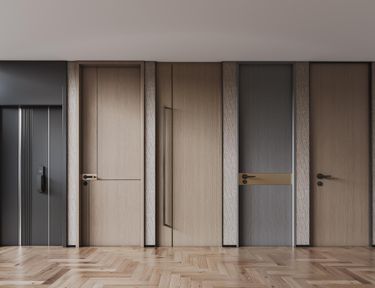
Fire safety is not just a regulatory obligation; it is a critical component of building management that protects lives and assets. Among the various fire safety measures, fire doors stand out as the primary line of defense. They are designed to contain fire and smoke, providing crucial time for evacuation and reducing structural damage.
However, a fire door is only effective if it is correctly installed, maintained, and functional. As a building owner or manager, ensuring fire door compliance is your responsibility. Neglecting this can lead to severe legal consequences and, more importantly, put lives at risk.
This guide provides a comprehensive, step-by-step approach to fire door maintenance and repairs to keep your property safe and compliant.
The Vital Role of Fire Doors
Fire doors serve two main functions:
- Containment: They act as barriers that slow the spread of fire and smoke.
- Escape: They protect evacuation routes, ensuring occupants can safely exit the building.
To perform these functions, a fire door must be kept closed (or automatically close), be properly fitted, and remain undamaged.
Step-by-Step Fire Door Inspection Guide
Regular inspections are mandatory to ensure your fire doors meet necessary safety standards.
According to best practices and guidelines from experts like Folgate Safety, doors should be checked at least every six months, or more frequently in high-traffic areas.
Here is a checklist for your inspections:
1. Certification Check
Look for the certification label or plug on the top or side of the door. This confirms the door is legitimately fire-rated. Without this, the door may not comply with regulations and might need replacement.
2. Gap and Seal Examination
The gap between the door leaf and the frame should be consistently between 2mm and 4mm. Use a gauge to check this. Additionally, inspect the intumescent strips and smoke seals. These strips expand in heat to seal gaps; if they are damaged, brittle, or missing, the door will fail to contain smoke.
3. Hinge and Fixing Inspection
A compliant fire door must have at least three fire-rated hinges. Ensure all screws are tight and the hinges are not showing signs of wear, rust, or damage. Loose hinges prevent the door from closing properly.
4. Self-Closing Mechanism Test
The door must be able to close automatically from any angle, securely latching into the frame without assistance. If the door hangs open or fails to latch, the closer requires adjustment or replacement.
5. Glazing and Vision Panels
If the door has glass, check for cracks or damage. The glass must be fire-rated, and the glazing beads holding it in place must be secure and intact.
6. Door Surface Damage
Check for holes, cracks, warping, or deep scratches on the door leaf. Major structural damage compromises the door’s fire resistance.
Old To New: Engineered for Safety
Ensuring the highest level of protection requires not just maintenance, but also selecting the right products from the start. For property managers looking to upgrade, Old To New offers premium solutions that blend security with fire safety. Our Fire-Rated Security Entrance Door is engineered to meet strict regulatory standards while providing superior protection against forced entry. By choosing certified, durable doors from Old To New, you reduce the long-term burden of frequent repairs and ensure unwavering compliance with fire safety legislation.
Fire Door Maintenance Best Practices
Proactive fire door maintenance extends the lifespan of your doors and ensures they are always ready for an emergency.
- Lubrication: Regularly lubricate hinges and closers to prevent wear. Use fire-rated lubricants only.
- Cleaning: Dust and debris can build up in seals and mechanisms. Keep the door, frame, and seals clean to ensure proper functioning.
- Component Replacement: Do not wait for a component to fail completely. Replace worn hinges, damaged handles, or degraded seals immediately.
Fire Door Repairs: Addressing Common Issues
When an inspection reveals a fault, prompt fire door repairs are essential. Here is how to handle common issues:
- Replacing Gaps: If gaps are too wide, the door may need to be re-hung or the frame adjusted.
- Fixing Closers: A malfunctioning closer is a common issue. Replace it with a certified fire-rated unit immediately.
- Seal Replacement: Intumescent strips that have painted over or damaged must be replaced to ensure they expand correctly during a fire.
Ensuring Ongoing Compliance
Maintaining fire door compliance is an ongoing process. While visual inspections can be done by building staff, it is highly recommended to have a professional fire safety specialist conduct annual, comprehensive inspections. They can identify subtle issues that might be missed by the untrained eye, ensuring your building remains safe and legally compliant.
Final Thoughts
Fire doors are a critical investment in life safety. By following a strict routine of inspection, maintenance, and repair, you not only comply with legal requirements but also provide peace of mind to occupants. Protect your property and the people within it by taking fire door safety seriously today.
Don't wait for a fire emergency to discover a faulty door. Ensure your property meets all safety standards with high-quality, certified solutions. Contact Old To New today to upgrade to our premium fire-rated security doors and guarantee maximum protection.