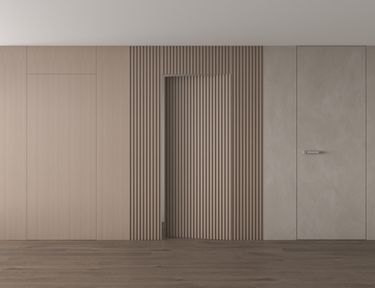
In the realm of commercial construction and facility management, the "door" is more than just an entryway; it is a critical component of a building’s life safety system. For contractors, architects, and building owners, choosing between fire-rated vs non-fire-rated doors isn’t just a matter of aesthetics or budget—it’s a matter of compliance, liability, and physical protection.
Understanding the technical and functional differences between these two categories is essential for ensuring that every project meets local building codes while balancing cost-effectiveness. In this comprehensive guide, we will break down the structural, regulatory, and practical differences that separate commercial fire-rated doors from their non-rated counterparts.
What Defines a Fire-Rated Door?
A fire-rated door is a door specifically engineered, tested, and certified to withstand fire and smoke for a predetermined period. These doors act as "passive fire protection" systems. Unlike active systems such as sprinklers, fire-rated doors work silently to compartmentalize a building, preventing the spread of flames and toxic gases from one area to another.
At Old To New, we have spent decades refining this technology. Since 1996, our R&D has focused on pushing the boundaries of what a fire door can do, moving beyond traditional materials to incorporate sustainable, bio-based cores that maintain integrity under extreme heat.
Fire Rated vs. Non-Fire Rated: The Core Differences
The primary difference between these two types of doors lies in their construction and their intended "performance" during an emergency.
1. Internal Composition and Core Materials
The most significant difference is hidden beneath the surface.
- Non-Fire-Rated Doors: Typically feature a hollow core or a standard particleboard/honeycomb core. These are designed for privacy, sound dampening (to a degree), and aesthetics. They offer virtually no resistance to high temperatures and will succumb to fire within minutes.
- Fire-Rated Doors: These require specialized cores. Traditional fire doors often use mineral cores, but modern innovations have led to more sustainable solutions. For instance, Old To New utilizes advanced bio-based materials—transforming renewable fibers like straw and reeds into high-performance fire-resistant cores. These materials are engineered to resist combustion and structural failure for 30, 60, 90, or even 120 minutes.
2. Testing and Certification
You cannot determine a door’s fire rating simply by looking at it.
- Non-Fire-Rated Doors: Do not undergo rigorous thermal stress testing. They are built to architectural standards but not safety endurance standards.
- Fire-Rated Doors: Every fire-rated door must bear a permanent label from an accredited testing agency (such as UL, Intertek/Warnock Hersey, or national equivalents). This label indicates the fire-resistance duration and is the first thing a fire marshal or building inspector will look for.
3. Gaskets and Intumescent Seals
Fire-rated doors are designed to be part of a "fire door assembly." This includes the frame, the door leaf, and specialized seals.
When exposed to heat, intumescent seals (often embedded in the door or frame) expand to many times their original size. This expansion seals the gaps between the door and the frame, preventing smoke—the leading cause of death in building fires—from leaking into corridors or stairwells. Non-fire-rated doors lack these critical components.
Structural Integrity: The Role of Craftsmanship
For contractors, the "longevity" of a door is just as important as its safety rating. A common issue with heavy-duty fire doors is structural warping or sagging over time due to the weight of the fire-resistant core.
This is where manufacturing techniques become a differentiator. At Old To New, we have integrated traditional Chinese mortise and tenon joint craftsmanship with modern CNC machining. By precision-cutting these joints, we ensure that our fire-rated doors possess superior mechanical stability. This modular and standardized assembly ensures that even under the intense pressure of a fire, the door remains seated in its frame, providing the necessary barrier to protect occupants.
When Must You Use a Fire-Rated Door?
Building codes (such as NFPA 80 in the US or various international standards) dictate exactly where fire-rated doors are mandatory. Generally, they are required in:
- Stairwell Enclosures: To protect exit paths for occupants.
- Corridors and Room Partitions: To prevent fire from jumping between sections of a building.
- Occupancy Separations: Between different types of spaces, such as a parking garage and an office lobby.
- External Openings: When a building is in close proximity to another structure.
Non-fire-rated doors are typically reserved for interior offices, closets, or any area where a fire separation wall is not required by code.
The Importance of Professional Specification
For building owners, the decision involves a "Total Cost of Ownership" calculation. While fire-rated doors have a higher upfront cost than non-rated doors, the implications of using the wrong door are catastrophic:
- Legal Liability: Failure to install code-compliant doors can lead to massive fines and the denial of insurance claims.
- Life Safety: The primary goal is to provide enough time for the "Golden Hour" of evacuation.
- Sustainability: Modern building owners are now looking for "Green" certifications. Old To New’s commitment to eco-friendly, bio-based fire door solutions allows contractors to meet safety codes while contributing to the project’s LEED or sustainability goals.
Maintenance: A Critical Responsibility
It is important for facility managers to remember that a fire-rated door’s performance is only as good as its maintenance. NFPA 80 requires annual inspections of fire door assemblies.
- Check for Gaps: Ensure the door closes and latches completely.
- Check the Label: Ensure the fire-rating label is legible and has not been painted over.
- Integrity of the Leaf: Look for holes or damage that might compromise the core.
Unlike non-fire-rated doors, which might be "patched" with standard wood filler, fire-rated doors must be repaired using approved methods that do not void their certification.
Conclusion: Choosing the Right Partner
In the debate of fire rated vs non fire rated, the choice is usually dictated by safety standards and architectural integrity. For contractors and building owners, partnering with a manufacturer that understands both the science of fire resistance and the importance of sustainable manufacturing is key.
Old To New has been at the forefront of this industry for nearly three decades. By combining deep-rooted R&D in flame-retardant bio-materials with high-precision manufacturing, we provide fire-rated solutions that don't just meet the minimum standards—they set new ones.
Whether you are retrofitting a historic building or managing a high-rise commercial development, ensure your entryways are built to protect.
Ready to specify high-performance, eco-friendly fire doors for your next project? Contact Old To New today to learn more about our bio-based fire-retardant technologies and how we support global construction standards.