


How to Choose the Right Solid Core Door for Your Fire Safety Needs
Choosing the right solid core door for fire safety starts with understanding your building’s certified protection requirements, usage environment, and compliance standards. In most commercial and high-risk residential applications, dense-core door systems provide better heat protection, structural stability, acoustic insulation, and long-term durability than lightweight door constructions.
Because fire doors are part of a complete passive fire protection system, selecting the wrong specification can affect both safety performance and regulatory approval. The right fire-rated solid door should balance certified protection, practical functionality, project budget, and long-term operational needs.
Why Solid Core Doors Are Ideal for Fire Safety
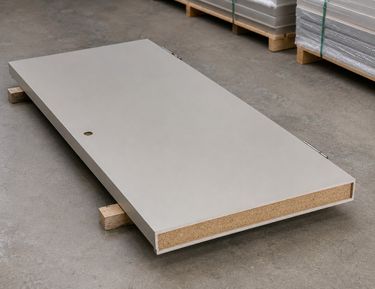
Solid core doors are designed with dense internal materials that improve resistance to heat transfer and structural failure during a fire event. Compared with lightweight or hollow constructions, these door systems generally provide stronger fire containment performance.
One major advantage is structural stability. During high-temperature exposure, dense core materials help the door maintain its shape longer, reducing the risk of early failure. This is especially important in stairwells, corridors, hotels, hospitals, schools, and office buildings where evacuation routes must remain protected.
Another reason these doors are preferred for passive fire protection is their compatibility with certified assemblies. Fire-rated hardware, smoke seals, frames, and glazing systems are commonly tested together with dense-core door assemblies to ensure conformity with UL, BS, or EN standards.
Key advantages of these door systems include:
- Better heat containment capability
- Improved smoke control performance
- Higher structural stability
- Stronger acoustic insulation
- Better durability in high-traffic areas
Testing standards such as UL 10C and EN 1634 demonstrate that properly tested assemblies can maintain integrity for 30, 60, 90, or 120 minutes depending on the design configuration.
Key Features to Consider When Choosing a Solid Core Fire Door
Selecting the right certified door assembly requires evaluating several technical and practical factors. Protective performance alone is not enough; contractors and architects must also consider installation conditions, maintenance expectations, and project applications.
Core Material Types
The core material is one of the most important elements in a dense-core door system. Different materials influence thermal protection capability, weight, acoustic performance, and cost.
Common solid core materials include:
- Mineral core
- Engineered timber core
- Composite protective core
- Particleboard core
Mineral core doors are widely used in commercial projects because they offer high thermal stability and dimensional consistency. Composite cores are often selected for projects requiring both smoke protection and acoustic insulation.
The table below summarizes the typical differences between common core materials:
| Core Material | Heat Protection Capability | Weight | Acoustic Performance | Typical Applications |
|---|---|---|---|---|
| Mineral Core | High | Heavy | Excellent | Commercial buildings |
| Engineered Timber | Moderate to High | Medium | Good | Offices & hotels |
| Composite Core | High | Medium to Heavy | Excellent | Hospitals & schools |
| Particleboard Core | Moderate | Medium | Moderate | Light commercial use |
Fire Ratings
Fire ratings indicate how long a door assembly can resist flame exposure under standardized testing conditions. Typical certified levels include 30, 60, 90, and 120 minutes.
Choosing the correct protection duration depends on local building regulations and the intended application. Office interiors may require 30- or 60-minute assemblies, while industrial facilities or stairwells often require higher certified levels.
A common mistake is assuming that higher protection durations are always better. In reality, over-specifying tested performance levels can increase project costs unnecessarily. The goal is to match the certified classification to actual building code requirements and operational risks.
Thickness & Dimensions
Door thickness directly affects structural performance and fire resistance. In many tested assemblies, thicker doors provide better insulation and integrity under heat exposure.
Typical dense-core assemblies range from 44 mm to 54 mm or more, depending on the required protection duration. Larger doors or oversized openings may also require reinforced construction or specialized hardware systems.
Acoustic & Thermal Performance
These dense-core assemblies are often selected for more than just code compliance. Their internal construction can also improve sound insulation and thermal efficiency.
Hotels, hospitals, offices, and educational facilities frequently require acoustic control in addition to certified protection. High-density core materials generally provide better sound reduction compared with lightweight doors.
In many projects, acoustic and thermal performance become important because they can improve occupant comfort while supporting energy efficiency goals.
Certifications & Compliance
Certification is one of the most important factors when selecting a solid core fire door. A door may appear protective, but without certified testing, regulatory approval cannot be guaranteed.
Important compliance checks include:
- Verified laboratory test reports
- Certified hardware compatibility
- Smoke seal performance
- Approved installation methods
Local code conformity requirements Contractors and project managers should always verify that the complete assembly has been tested together, including frames, seals, hinges, and glazing systems where applicable.
Installation & Maintenance Considerations
Even the best fire-rated solid door can fail if it is installed incorrectly. Proper installation is essential for maintaining tested performance and ensuring long-term reliability.
Door frames, hinges, seals, closers, and latching systems must all be compatible with the certified assembly. Improper hardware substitutions are one of the most common reasons for failed inspections.
Routine maintenance is equally important. Protective door assemblies should be inspected regularly for damaged seals, alignment issues, hardware wear, or unauthorized modifications. Small gaps or damaged components can significantly reduce smoke containment capability.
In many jurisdictions, annual inspections are mandatory for commercial buildings. Maintaining inspection records also helps support long-term regulatory management.
Matching Your Door to Your Project
Different building types require different protective door solutions. Selecting the right dense-core assembly depends on occupancy type, traffic level, risk conditions, and architectural requirements.
For commercial offices and retail environments, moderate certified levels combined with acoustic performance are often the priority. In hospitals and schools, durability and smoke control become more important because of continuous occupancy and heavy daily use.
Industrial projects may require higher tested protection levels and reinforced construction because of increased fire loads or hazardous materials. Residential projects, meanwhile, may focus more on balancing occupant protection with aesthetics and cost efficiency.
Architects should also consider design flexibility. Many modern dense-core systems support decorative veneers, laminate finishes, or customized surface treatments while still maintaining certified performance.
Conclusion
Choosing the right solid core fire door requires balancing protective performance, regulatory requirements, durability, and project-specific needs. While certified testing and approved classifications are essential, factors such as core material, acoustic performance, installation quality, and long-term maintenance also play an important role.
For most commercial and public building applications, dense-core assemblies provide a reliable combination of heat protection capability, structural stability, and lifecycle value. Working with an experienced manufacturer can help ensure that the selected solution meets both building standards and project expectations.
Old To New provides customized protective door solutions for commercial and architectural projects, helping clients achieve certified performance while maintaining design flexibility and long-term reliability.

Contact
Beyond Protection, There's Peace of Mind.
© 2024 oldtonew Powered by ShopAstro