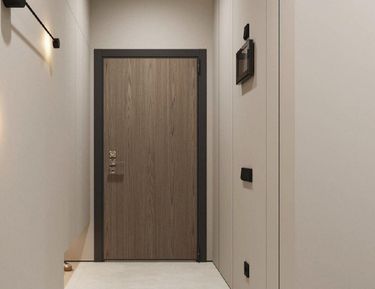
Fire safety and architectural beauty no longer have to be opposing forces. Today’s building professionals demand doors that not only meet stringent fire regulations but also contribute to a refined interior aesthetic. The mineral core wood door has emerged as a powerful solution, bridging the gap between safety performance and design freedom. By integrating advanced composite cores with traditional wood door construction, this innovation delivers exceptional protection while maintaining the warmth and elegance designers love.
In this in-depth guide, we explore how a mineral core wood door improves fire resistance, how a high-quality fire-rated door core functions, and why this technology is reshaping expectations for fire-rated wood doors in residential, commercial, and hospitality projects.
Understanding the Role of Fire Resistance in Modern Architecture
Fire resistance is no longer just a regulatory checkbox—it is a fundamental aspect of responsible design. From schools and hospitals to offices and multi-family housing, building codes worldwide require doors to withstand fire for a specific period, giving occupants time to evacuate and firefighters time to respond.
A mineral core wood door is specifically engineered to meet these expectations. Unlike traditional solid wood doors, which may ignite or deform under extreme heat, mineral-based cores are designed to remain stable, resist flame spread, and slow heat transfer. The result is a door that contributes to compartmentation—the strategy of containing fire within one area.
Why Traditional Wood Doors Fall Short
Solid wood doors offer natural beauty, but they lack consistent fire resistance. Wood is combustible, and although treatments can improve performance, they often compromise durability or aesthetics. In contrast, a mineral core wood door uses a non-combustible or low-combustible core, dramatically enhancing safety without altering the exterior appearance.
What Is a Mineral Core Wood Door?
A mineral core wood door is a composite door that combines wood veneers or engineered wood facings with a core made from mineral and plant-fiber composites. This innovative structure creates a balanced door panel that is strong, dimensionally stable, and fire-resistant.
The Science Behind the Fire-Rated Door Core
At the heart of the mineral core wood door lies the fire-rated door core. This core typically consists of plant fibers blended with minerals and inorganic silica-based binders. The mixture is high-temperature dried, producing a dense, uniform panel that resists ignition and maintains structural integrity during a fire.
Because the fire-rated door core is engineered at the material level, performance is consistent throughout the door—not just on the surface. This uniformity is what allows mineral core wood doors to achieve fire ratings ranging from 30 minutes to 120 minutes, depending on configuration.
How Mineral Core Wood Doors Enhance Fire Resistance
The effectiveness of a mineral core wood door is not accidental. It is the result of multiple performance characteristics working together.
Thermal Insulation and Heat Barrier Properties
Mineral-based composites naturally resist heat transfer. When exposed to high temperatures, the fire-rated door core slows the movement of heat from one side of the door to the other. This thermal insulation helps prevent ignition of materials on the safe side of the opening.
Structural Stability Under Fire Conditions
Many doors fail during a fire not because they ignite, but because they warp, crack, or collapse. A mineral core wood door maintains high flatness and dimensional stability even under extreme heat. This ensures the door stays seated in its frame, continuing to block flames and smoke.
Low Smoke and Toxicity Levels
Modern building standards increasingly focus on what happens after a material is exposed to fire. A mineral core wood door made with non-toxic, halogen-free materials produces minimal harmful gases, improving occupant safety during evacuation.
Fire-Rated Door Core and Acoustic Performance
Fire safety is not the only advantage. A high-quality fire-rated door core also provides excellent sound insulation, typically ranging from 25 to 35 dB. This makes a mineral core wood door ideal for hotels, offices, apartments, and healthcare facilities where privacy and noise control matter.
By choosing a mineral core wood door, architects gain a multifunctional solution: fire protection, acoustic control, and design flexibility in a single product.
Design Freedom: Beauty Without Compromise
One of the most compelling advantages of a mineral core wood door is that it looks and feels like a premium wood door. Designers can specify:
- Natural wood veneers
- Engineered wood finishes
- Laminates or painted surfaces
- Custom stains and textures
Because the fire-rated door core is hidden inside, the exterior appearance remains entirely customizable. This allows the mineral core wood door to blend seamlessly into both classic and contemporary interiors.
Matching Any Interior Style
Whether you are designing a minimalist office, a luxury hotel lobby, or a residential development, a mineral core wood door can be tailored to match the desired aesthetic. The door becomes an integrated design element rather than a visible “fire door.”
Sustainability Benefits of Mineral Core Wood Doors
Sustainability is a growing priority across the construction industry. A mineral core wood door supports green building goals in several ways:
- Uses plant fiber combined with mineral composites
- Recyclable materials
- Long service life reduces replacement frequency
- Non-toxic and environmentally responsible composition
By choosing a mineral core wood door, project teams can enhance fire safety while supporting eco-friendly building practices.
Performance Specifications That Matter
When selecting a mineral core wood door, professionals often look at specific performance metrics:
- Door thickness: typically 35–48 mm
- Density: around 470 kg/m³ (varies by fire rating)
- Moisture content: approximately 9.6%
- Fire resistance: 30, 60, 90, or 120 minutes
These specifications ensure the mineral core wood door meets both structural and regulatory demands.
Compliance With Global Fire Standards
A reliable mineral core wood door should be tested and certified according to recognized standards such as:
- GB 12955-2024
- UL
- BS
- BS EN (including hose-stream requirements)
Certification confirms that the fire-rated door core and complete door assembly perform as expected in real fire scenarios.
Where Mineral Core Wood Doors Are Most Effective
Commercial Buildings
Office buildings benefit from mineral core wood doors because they combine professional aesthetics with robust fire protection and sound control.
Hospitality Projects
Hotels and resorts demand doors that look luxurious while meeting strict safety codes. A mineral core wood door delivers both.
Residential Developments
Multi-family housing requires compartmentation between units and corridors. Mineral core wood doors help protect occupants and property.
Healthcare and Education
Hospitals and schools need durable, hygienic, and safe doors. A mineral core wood door offers long-lasting performance with minimal maintenance.
Manufacturing Advantages for Door Producers
From a manufacturing standpoint, the mineral core wood door offers excellent machinability. High flatness and consistent density make cutting, edging, and veneering easier and more precise. This reduces waste and improves production efficiency.
The Future of Fire-Rated Wood Doors
As building codes become stricter and design expectations continue to rise, the mineral core wood door is poised to become the new standard. It represents a shift away from compromise and toward integrated performance.
The evolution of the fire-rated door core from simple fire-retardant fillers to advanced mineral composites demonstrates how material science is transforming everyday building components into high-performance systems.
Choosing the Right Partner for Mineral Core Wood Doors
Not all mineral core wood doors are created equal. Quality depends on raw materials, manufacturing processes, and rigorous testing. Working with experienced suppliers who understand fire performance, sustainability, and design requirements is essential.
Many architects and door manufacturers explore advanced bio-based mineral composite door cores that combine plant fiber with minerals and inorganic silica gel, offering stable fire resistance, excellent sound and heat insulation, and long-lasting durability.
Conclusion
The mineral core wood door proves that safety and style can coexist. With a high-performance fire-rated door core, these doors deliver reliable fire resistance, acoustic comfort, sustainability, and unlimited design possibilities.
As more projects demand doors that protect lives without compromising aesthetics, the mineral core wood door stands out as a smart, future-ready solution. For professionals seeking advanced fire-rated door core technology and innovative mineral core wood door solutions, Old To New continues to support modern architecture with performance-driven, design-conscious materials.