


Fire Door Core Materials: Types, Performance, and Selection Guide
Fire doors play a vital role in passive fire protection systems within commercial and industrial buildings. They are designed to compartmentalize fire and smoke, slowing their spread and providing valuable time for evacuation and emergency response. While many building professionals focus on the outer door surface, one of the most critical components of a fire-rated door is the internal core.
Fire door core materials directly influence a door’s fire resistance performance, structural integrity, insulation capability, and manufacturing characteristics. For door manufacturers, architects, contractors, and building material buyers, understanding the differences between fire door core types is essential when selecting the right door for specific applications.
Why Fire Door Core Materials Matter
Fire doors are a critical component of passive fire protection systems in commercial and industrial buildings. Their primary role is to slow the spread of fire and smoke, helping protect occupants and providing valuable time for evacuation and emergency response. While the visible parts of a fire door—such as the surface panels, frames, and hardware—are important, the internal fire door core materials play the most decisive role in determining overall performance.
The core of a fire door directly influences three essential factors: fire containment, thermal insulation, and structural stability during high temperatures. When exposed to fire, a well-designed fire resistant door core helps prevent flames and heat from passing through the door assembly. This containment capability is what allows fire doors to achieve specific fire ratings such as 30, 60, 90, or 120 minutes.
In addition to fire resistance, core materials also affect the door’s durability and mechanical performance. High-quality fire door materials can improve dimensional stability, reduce warping under heat, and maintain structural integrity for longer periods.
For door manufacturers, architects, and construction material buyers, understanding different fire door core types is essential when specifying doors for commercial projects. Selecting the appropriate core material ensures compliance with fire safety standards while balancing cost, performance, and manufacturing efficiency.
What Is a Fire Door Core?
A fire door core refers to the internal structural layer located inside a fire-rated door leaf. It sits between the external surface layers—often steel sheets, timber veneers, or laminate panels—and forms the structural backbone of the door.
Although the core is not visible after manufacturing, it is the component responsible for most of the door’s fire resistance and mechanical strength. Different fire resistant door materials are used as cores depending on the required fire rating, application environment, and manufacturing process.
The core performs several important functions:
Fire resistance
A properly engineered core helps prevent flames, hot gases, and excessive heat from passing through the door. Certain materials expand, absorb heat, or resist combustion to slow fire penetration.
Structural strength
The core provides rigidity and stability, ensuring the door maintains its shape during daily use and under high temperatures during a fire event.
Thermal insulation
Core materials reduce heat transfer from one side of the door to the other, helping maintain safer temperatures in escape routes and adjacent rooms.
Acoustic insulation
Many cores also provide sound reduction benefits, which can be useful in commercial buildings such as offices, hospitals, and hotels.
Because the fire rated door core is responsible for so many performance characteristics, its composition and density are critical factors in both product design and regulatory compliance.
Common Fire Door Core Materials
Several types of fire door core materials are commonly used in the industry. Each material offers different levels of fire resistance, weight, and structural performance.
Mineral Core
Mineral core materials are among the most widely used options for high-performance fire doors. They are typically composed of compressed mineral fibers combined with fire-resistant binders.
One of the main advantages of mineral core doors is their non-combustible nature. These materials can withstand extremely high temperatures without contributing fuel to a fire. As a result, mineral cores are commonly used in doors requiring higher fire ratings such as 60, 90, or 120 minutes.
Mineral cores also provide excellent dimensional stability and good acoustic insulation. Their relatively high density contributes to structural strength and durability in demanding environments.
Typical applications include:
- Commercial office buildings
- Industrial facilities
- Hospitals and public infrastructure
- High-rise buildings requiring strict fire safety compliance
Because of their strong fire performance, mineral core fire door constructions are often used in large commercial construction projects.
Gypsum Core
Gypsum is another widely used fire resistant door material. It is particularly valued for its heat-absorbing characteristics.
When exposed to fire, gypsum releases chemically bound water in the form of steam. This process helps absorb heat energy and slows the temperature rise on the protected side of the door. Because of this property, gypsum fire door core designs are effective for achieving moderate fire ratings.
Gypsum cores typically offer good dimensional stability and are compatible with many manufacturing processes. They are often used in combination with other reinforcing materials to enhance strength and durability.
Common applications include:
- Commercial office buildings
- Educational institutions
- Healthcare facilities
- Public buildings requiring standard fire protection
Gypsum cores are widely used where reliable fire resistance is needed without the higher weight associated with some mineral cores.
Honeycomb Core
Honeycomb cores are characterized by a lightweight internal structure made from paper, cardboard, or metal formed into a hexagonal pattern.
This design creates a high strength-to-weight ratio, allowing doors to remain relatively light while maintaining basic structural integrity. Because of their low density, honeycomb core fire door constructions are often more cost-effective than heavier fire-resistant cores.
However, honeycomb cores generally provide lower levels of fire resistance compared with mineral or gypsum materials. As a result, they are typically used in doors with lower fire ratings or in applications where weight and cost are major considerations.
Typical uses include:
- Interior commercial doors
- Doors with lower fire rating requirements
- Applications where lightweight door construction is preferred
While honeycomb cores can be suitable in certain projects, they are usually not selected for high-performance fire protection systems.
Composite or Timber Core
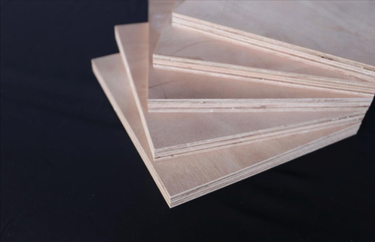
Composite and timber-based cores combine wood materials with fire-resistant additives or layers to achieve both structural strength and improved fire performance.
These cores often incorporate engineered wood products such as particleboard, laminated timber, or fire-resistant composites. In many designs, additional layers or mineral reinforcements are added to enhance fire resistance.
Composite cores offer several advantages:
- Strong screw-holding capability
- Good compatibility with veneers and decorative finishes
- Reliable structural performance
Because of these characteristics, composite cores are commonly used in architectural doors where aesthetics and strength are both important.
They are frequently applied in:
- Hotels and hospitality buildings
- Office interiors
- Residential high-rise buildings
- Architectural fire-rated doors
Fire Door Core Material Comparison
Different fire door core types offer distinct advantages and limitations depending on the application. The following comparison illustrates key performance characteristics.
Core Material | Fire Resistance | Weight | Structural Strength | Typical Applications |
| Mineral Core | Very high | Heavy | Excellent | High-rise buildings, industrial facilities |
| Gypsum Core | High | Medium | Good | Offices, hospitals, schools |
| Honeycomb Core | Low to moderate | Very light | Moderate | Interior commercial doors |
| Composite / Timber Core | Moderate to high | Medium | Strong | Architectural and commercial doors |
Mineral cores provide the highest fire resistance but are heavier and sometimes more expensive. Gypsum cores offer balanced performance and are widely used in commercial construction. Honeycomb cores provide cost and weight advantages but are typically limited to lower fire ratings. Composite cores provide good mechanical strength and flexibility in design.
Understanding these trade-offs helps manufacturers and project designers select the most suitable fire resistant door core for each building application.
How Fire Door Core Materials Affect Fire Ratings
Fire doors are commonly classified by the length of time they can withstand fire exposure during standardized testing. Typical ratings include:
- 30 minutes
- 60 minutes
- 90 minutes
- 120 minutes
These ratings are determined through fire resistance testing conducted according to standards such as NFPA guidelines, UL fire testing procedures, or EN 1634 fire door testing.
The fire door core density and composition play a major role in achieving these ratings. Materials with higher density and non-combustible properties generally perform better under prolonged heat exposure.
For example:
- Mineral cores are often used for 90–120 minute fire doors.
- Gypsum cores are commonly used for 60–90 minute doors.
- Honeycomb cores are typically limited to lower fire ratings.
However, the final rating of a fire door depends on the entire door assembly, including the frame, seals, glazing, and hardware. The core is a critical component, but it must work in combination with other fire-resistant elements.
How Door Manufacturers Choose Fire Door Core Materials
Selecting the right fire door core materials is a complex decision for door manufacturers. Several technical and production factors must be considered.
Core density
Higher-density cores generally provide better fire resistance and structural performance, but they can also increase door weight and manufacturing complexity.
Machining compatibility
The core must be compatible with cutting, drilling, and shaping processes used in door production. Materials that are difficult to machine can reduce manufacturing efficiency.
Screw holding strength
Door hardware such as hinges, locks, and closers must be securely mounted. The core material must provide sufficient holding strength to support these components.
Veneer bonding compatibility
Many doors use decorative laminates, steel skins, or wood veneers. The core must bond effectively with these surface layers to ensure durability.
Production efficiency
Manufacturers also consider cost, material availability, and compatibility with automated production systems.
Balancing these factors allows manufacturers to produce fire doors that meet safety standards while maintaining practical manufacturing processes.
Fire Door Core vs Fire Door Blank
The terms fire door core and fire door blank are sometimes confused, but they refer to different components in the manufacturing process.
A fire door core is the internal structural material that provides fire resistance and strength within the door.
A fire door blank, on the other hand, refers to the complete unfinished door slab before final finishing operations such as cutting, hardware preparation, or surface coating.
In manufacturing terms:
- The core is the internal component.
- The blank is the assembled door panel ready for final processing.
Understanding this distinction is important in the supply chain because different suppliers may provide either core materials or finished door blanks.
Sustainable Fire Door Core Materials
Sustainability has become an increasingly important consideration in the construction industry. Many architects and developers are now prioritizing environmentally responsible fire resistant door materials.
Several trends are emerging in this area:
- Use of recycled mineral materials in fire door cores
- Development of bio-based composite cores
- Reduced formaldehyde emissions in engineered wood materials
Green building standards and certification systems are encouraging manufacturers to explore sustainable alternatives that still maintain required fire performance.
In addition, many construction projects now consider the environmental footprint of building materials throughout their lifecycle, from production to disposal.
Future Trends in Fire Door Core Materials
The fire door industry continues to evolve as new technologies and building requirements emerge.
One key trend is the development of advanced composite fire-resistant cores that combine multiple materials to optimize strength, fire resistance, and weight. Manufacturers are increasingly investing in innovative fire door core materials that improve performance while maintaining practical manufacturing processes.
Manufacturers are also exploring lightweight fire-resistant materials that provide strong fire protection without significantly increasing door mass. These innovations can improve installation efficiency and reduce structural load in large buildings.
Another growing trend is the integration of sustainable construction materials that align with modern environmental standards.
As fire safety regulations continue to evolve, door manufacturers must also stay aligned with international standards and building codes. Understanding current fire door regulations is becoming increasingly important when selecting suitable core materials for commercial and industrial projects.
Conclusion
Fire doors play a vital role in protecting buildings and occupants during fire emergencies, and fire door core materials are central to their performance.
Different core materials—such as mineral, gypsum, honeycomb, and composite structures—offer distinct advantages in terms of fire resistance, weight, structural strength, and manufacturing compatibility.
Selecting the appropriate fire rated door core requires careful consideration of fire rating requirements, building applications, and production factors. For manufacturers and project designers, understanding these materials is essential for achieving both regulatory compliance and reliable long-term performance.
For manufacturers and project designers who want to better understand the internal structure and performance of fire doors, this detailed fire door guide explains how fire door cores, materials, and fire resistance ratings work together in real-world applications.
For more information about fire door systems and reliable production capabilities, working with an experienced fire door core manufacturer can help ensure materials meet both safety standards and project requirements.

Contact
Beyond Protection, There's Peace of Mind.
© 2024 oldtonew Powered by ShopAstro