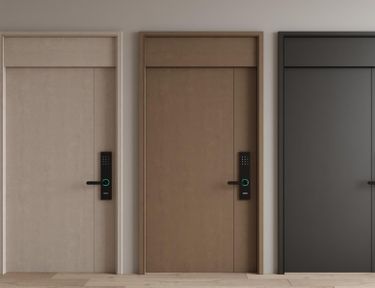
In the realm of building safety, few components are as critical—yet as frequently overlooked—as the fire door. It isn’t just a slab of wood or metal; it is a life-saving engineered system. Whether you are a property manager, a homeowner, or a developer, understanding fire door regulations is not just about ticking a legal box; it is about ensuring that in the event of a crisis, occupants have the precious minutes they need to escape.
As we move through 2026, the landscape of fire safety continues to evolve, with stricter enforcement and higher manufacturing standards. This guide will walk you through everything you need to know about staying compliant while maintaining the aesthetic integrity of your property.
Understanding the Legal Framework: What are Fire Door Regulations?
Fire door regulations are a set of legal requirements designed to ensure that doors in commercial and residential buildings can withstand heat and smoke for a specified period. In the UK and many international jurisdictions, these rules dictate where fire doors must be placed, how they should be installed, and how often they must be inspected.
The primary goal is compartmentation. By keeping a fire contained in one area, fire doors protect escape routes. To ensure your building meets these high stakes, many professionals turn to specialists like Old to New, who bridge the gap between rigorous safety and modern design.
Who is Responsible for Fire Door Compliance?
Under current safety legislation, the "Responsible Person" (usually the building owner, employer, or landlord) carries the legal weight of ensuring that fire doors are fit for purpose. Failure to comply can lead to heavy fines or, in tragic circumstances, criminal prosecution.
Technical Standards: FD30, FD60, and Beyond
When browsing for fire doors, you will encounter terms like FD30 and FD60. These are not just industry jargon; they are the heart of fire door regulations and performance standards.
The FD Rating System
- FD30: Provides 30 minutes of fire resistance. These are the most common doors used in residential flats and standard office corridors.
- FD60: Provides 60 minutes of protection. These are typically required in high-traffic commercial buildings or areas housing sensitive equipment.
- FD30S / FD60S: The "S" suffix indicates that the door has also been tested for cold smoke leakage, a vital addition since smoke inhalation is often more lethal than the flames themselves.
Testing and Certification
Every fire door must undergo rigorous testing (such as BS 476-22 or BS EN 1634-1). It is crucial to look for third-party certification labels on the top edge of the door. If you are looking for high-end options that meet these benchmarks, you can explore the entrance security fire doors collection, which combines robust FD ratings with high-security features.
Key Requirements for a Compliant Fire Door Assembly
A fire door is more than just the "leaf" (the door itself). For a door to be compliant with fire door regulations, the entire "set" must work in harmony.
1. Intumescent Seals
These seals are chemically designed to expand when exposed to heat, sealing the gap between the door and the frame. This prevents the spread of fire and hot gases. Without functioning intumescent strips, a fire door is essentially a standard door.
2. Fire-Rated Hardware
Every hinge, handle, and closer must be fire-rated. Standard hardware can melt or warp, causing the door to fail prematurely. For instance, fire doors must have at least three hinges to prevent warping under intense heat.
3. Self-Closing Devices
A fire door only works if it is closed. Fire door regulations mandate that fire doors (except those to cupboards or boiler rooms marked "Keep Locked") must be fitted with an automatic self-closing device.
4. Correct Signage
In commercial settings, clear signage such as "Fire Door Keep Shut" is a mandatory requirement to guide occupants and ensure the doors aren't propped open with wedges—a common but dangerous violation.
Fire Door Regulations for Residential vs. Commercial Buildings
The requirements vary significantly depending on the building's use.
Residential Fire Door Requirements
In blocks of flats, fire doors are required for every individual flat entrance that opens onto a communal internal corridor. Following recent legislative updates, there is also an increased focus on the "Golden Thread" of information—ensuring that every repair and inspection is documented from the day the door is installed.
Commercial Fire Door Requirements
In offices, hotels, and retail spaces, the complexity increases. You must consider "means of escape" routes. These doors must be easily operable without a key from the side of the escape. If you are upgrading a commercial space, checking out the latest internal fire door designs can help you maintain a professional look without compromising on safety.
Common Questions: Fire Door FAQ
How often should fire doors be inspected?
According to the latest safety guidelines, fire doors in high-occupancy buildings should be inspected every six months. However, for high-traffic areas like school corridors or hospital entrances, monthly checks are recommended to look for damage to seals or closers.
Can I paint a fire door?
Yes, but with caution. You should never paint over the intumescent seals or the fire rating label. Heavy layers of paint can also affect the "fit" of the door in its frame, potentially causing it to stick.
Do I need a fire door for my kitchen?
In a standard single-occupancy house, fire doors aren't always legally required for kitchens unless it's a new build or a major renovation with specific building control requirements. However, it is a highly recommended safety upgrade.
Maintenance and Best Practices for Compliance
Compliance isn't a one-time event; it is an ongoing commitment. To ensure your property stays within fire door regulations, follow this simple checklist:
- Check the Gap: The gap between the door leaf and the frame should be consistently between 2mm and 4mm.
- Inspect the Seals: Look for any cracks or missing sections in the intumescent strips.
- Test the Closer: Open the door halfway and let go. It should close firmly into the latch without assistance.
- Verify Hardware: Ensure all screws are tight and that hinges aren't leaking oil or showing signs of wear.
If you find that your doors are outdated or failing these checks, it might be time for a full replacement. You can find a variety of bespoke fire door solutions that cater to specific architectural needs while strictly adhering to current standards.
Why Professional Installation Matters
You could buy the most expensive FD60 door on the market, but if it is installed incorrectly, it will fail during a fire. Professional installers understand the nuances of frame clearance and the specific types of fire-rated foam and mastic required to seal the structural opening.
Improper installation is one of the leading causes of non-compliance during fire safety audits. Always ensure your installer provides a certificate of installation to prove the work meets the necessary British or European standards.
Conclusion: Balancing Safety and Aesthetics
Navigating fire door regulations can feel overwhelming, but they exist for a vital reason: protecting lives. By understanding the difference between FD30 and FD60, ensuring your hardware is up to spec, and committing to regular maintenance, you create a safer environment for everyone.
Compliance doesn't mean you have to settle for "industrial-looking" doors. Modern engineering allows for beautiful finishes—from natural wood veneers to sleek, contemporary paints—that hide a high-performance fire core. When you partner with a trusted provider like Old to New, you gain the peace of mind that comes from combining expert craftsmanship with unwavering safety standards.