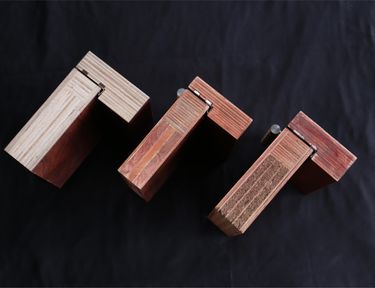
Fire safety is no longer a secondary consideration in modern building design. As regulations become stricter and awareness grows, the fire-rated door has become a critical component in both residential and commercial construction. While much attention is often given to door hardware and surface materials, the true foundation of fire resistance lies inside the door itself: the fire door core.
Understanding how fire door cores are structured, what materials they use, and how they perform under extreme heat is essential for architects, contractors, developers, and property owners alike. This guide provides a complete breakdown of fire door cores—focusing on structure, materials, and real-world fire performance—so you can make informed decisions that balance safety, durability, and compliance.
What Is a Fire Door Core?
A fire door core is the internal construction of a fire-rated door that determines how long the door can resist fire, smoke, and heat transfer. Unlike standard interior doors, fire doors are engineered systems, tested as complete assemblies, where the core plays a decisive role in performance.
The most common core used in fire-rated doors is the solid door core, designed to withstand high temperatures without collapsing, warping, or allowing flames to penetrate. When exposed to fire, a high-quality core slows heat transmission, maintains structural integrity, and helps protect escape routes.
Without a properly engineered core, even a door labeled as a fire-rated door cannot meet required safety standards.
Why the Core Matters More Than the Surface
Many buyers focus on the visible parts of a fire-rated door—veneers, finishes, or steel skins. However, the surface alone does not determine fire resistance. The core dictates:
- Fire rating duration (20, 45, 60, 90 minutes, or more)
- Structural stability under fire exposure
- Smoke and heat insulation
- Door weight and long-term durability
A poorly designed core may fail early during a fire, even if the outer materials appear robust. This is why most certified fire-rated doors rely on dense, engineered solid door core constructions rather than hollow or lightweight alternatives.
Common Materials Used in Fire Door Cores
Different applications require different core materials. Below are the most widely used options in modern fire-rated door manufacturing.
1. Solid Timber Core
A solid timber or engineered wood solid door core is one of the most common choices for fire-rated wood doors. These cores use high-density wood composites designed to char slowly rather than ignite quickly.
Advantages:
- Excellent fire resistance when properly treated
- Good acoustic insulation
- Suitable for interior fire-rated doors
This type of solid door core is especially popular in commercial buildings where aesthetics and compliance must coexist.
2. Mineral Core
Mineral cores use inorganic materials such as gypsum or calcium silicate. These materials release moisture when heated, helping to slow temperature rise.
Advantages:
- High fire resistance
- Stable under extreme heat
- Often used in higher fire ratings
Mineral cores are commonly found in heavy-duty fire-rated doors in hospitals, schools, and industrial facilities.
3. Composite Core
Composite cores combine wood fibers, fire-retardant resins, and mineral components. This hybrid approach enhances strength while maintaining fire performance.
Advantages:
- Balanced fire and mechanical performance
- Reduced warping
- Consistent density across the door leaf
Many modern fire-rated door systems rely on composite solid door core designs to meet both fire and durability requirements.
How Fire Door Cores Are Tested
Fire-rated doors are tested as complete assemblies, but the core is central to passing certification. During testing, the door is exposed to temperatures exceeding 800–1000°C, simulating real fire conditions.
A compliant fire door core must:
- Maintain structural integrity
- Prevent flame penetration
- Limit heat transfer to the non-fire side
- Support hinges and hardware without failure
If the solid door core degrades too quickly, the fire-rated door will fail regardless of external reinforcements.
Solid Door Core vs Hollow Core: A Safety Comparison
One of the most important distinctions in door construction is between hollow and solid cores.
A solid door core:
- Provides significantly higher fire resistance
- Resists impact and long-term wear
- Offers better sound insulation
A hollow core door:
- Fails rapidly in fire conditions
- Is not suitable for certified fire-rated door applications
- Is limited to low-risk interior use
For any building where safety and compliance matter, hollow core doors are not a substitute for fire-rated doors with solid cores.
Fire Ratings and Core Selection
The fire rating of a door—such as 30, 60, or 90 minutes—is directly influenced by the core material and density.
- Lower ratings (20–30 minutes): Often use engineered solid timber cores
- Mid ratings (45–60 minutes): Composite or mineral-enhanced solid door cores
- High ratings (90+ minutes): Dense mineral or specialized composite cores
Choosing the correct fire door core ensures that the fire-rated door performs as expected during an emergency and meets local fire door regulations.
Product & Company Focus
For manufacturers and contractors seeking reliable fire door core solutions, Old To New provides professionally engineered solid door core options designed specifically for fire-rated door applications. Through advanced material selection, precision manufacturing, and strict quality control, Old To New supports consistent fire performance across a wide range of commercial and residential fire-rated doors. Their solutions are developed to integrate seamlessly into certified door assemblies, helping partners meet fire door requirements while maintaining durability and long-term stability.
Applications of Fire Door Cores in Modern Buildings
Fire door cores are used across multiple sectors:
- Commercial offices
- Residential apartment buildings
- Hospitals and healthcare facilities
- Hotels and hospitality spaces
- Educational institutions
- Industrial and utility buildings
In each case, the solid door core ensures that the fire-rated door functions as a protective barrier, safeguarding lives and property.
Installation and Long-Term Performance
Even the best fire door core must be correctly installed to perform effectively. Improper installation can compromise the door’s fire rating.
Key considerations include:
- Compatible frames and hardware
- Correct clearances
- Approved seals and glazing
- Regular fire door inspection
A high-quality solid door core helps maintain performance over time, reducing the risk of warping, cracking, or structural failure during inspections.
Choosing the Right Fire Door Core
When selecting a fire door core, consider:
- Required fire rating
- Door size and weight limits
- Environmental conditions
- Acoustic and thermal needs
- Compliance with local regulations
A certified fire-rated door is only as strong as its core. Investing in a tested, engineered solid door core is essential for long-term safety and compliance.
Final Thoughts
Fire door cores are the hidden foundation of fire protection systems. While often overlooked, they determine whether a fire-rated door performs as intended when it matters most. From material selection to fire testing and real-world applications, the solid door core remains the most reliable solution for modern fire-rated doors.
By understanding how fire door cores work and choosing quality, certified solutions, building professionals can ensure safer environments, regulatory compliance, and peace of mind—without compromising design or durability.