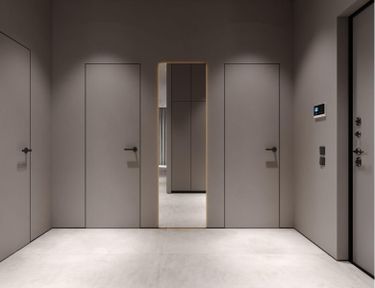
Modern architecture is no longer defined solely by aesthetics. Safety, sustainability, compliance, and performance are now equally critical design drivers. Among these, the commercial fire door plays a vital but often underestimated role. A well-designed fire door is not just a regulatory requirement—it is a life-saving architectural element that integrates seamlessly into contemporary commercial spaces.
So, what defines a high-performance commercial fire door in modern architecture? This article explores the core performance indicators, materials, standards, and design considerations that architects, developers, and facility managers must understand when selecting the right fire door solution.
Why Commercial Fire Doors Matter in Modern Architecture
In commercial buildings such as offices, hotels, healthcare facilities, and mixed-use developments, fire safety systems are designed as layered defenses. The commercial fire door is one of the most critical components within this system.
A properly specified fire door helps:
- Compartmentalize fire and smoke
- Protect escape routes
- Maintain structural integrity during a fire
- Buy valuable evacuation and response time
As architectural layouts become more open and complex, the role of the commercial fire door becomes even more essential. It must perform under extreme conditions while aligning with modern design expectations.
Core Performance Standards of a High-Performance commercial fire door
Fire Resistance Rating
At the heart of any commercial fire door is its fire resistance capability. High-performance solutions typically offer fire resistance ranging from 60 to 90 minutes or more, depending on application and regulation.
A compliant fire door must:
- Withstand direct flame exposure
- Prevent fire spread between compartments
- Maintain integrity throughout the rated duration
In modern architecture, designers increasingly favor fire doors that deliver extended fire resistance without excessive thickness or visual bulk.
Smoke Control and Sealing Performance
Fire-related fatalities are more often caused by smoke inhalation than flames. This makes smoke control a defining feature of any high-quality commercial fire door.
A performance-driven fire door should:
- Limit cold and hot smoke leakage
- Maintain smoke-tightness during fire exposure
- Be tested under recognized standards such as EN 1634-3
Effective smoke control ensures safe evacuation routes and reduces damage across commercial properties.
Structural Stability Under Fire Conditions
A commercial fire door must remain structurally stable even as surrounding materials deform under heat. Warping, delamination, or joint failure can compromise the entire fire compartment.
High-performance fire doors are engineered to:
- Retain dimensional integrity
- Maintain door leaf and frame alignment
- Ensure reliable closure throughout a fire event
This stability is essential in large commercial buildings where fire doors may be subject to heavy daily use.
Materials That Define a High-Performance Fire Door
Advanced Timber Engineering
Contrary to outdated assumptions, timber-based commercial fire doors can achieve exceptional fire performance when engineered correctly. Modern solutions use reconstituted timber such as LVL (Laminated Veneer Lumber) for enhanced strength and predictability.
Engineered timber fire doors offer:
- Controlled charring behavior
- Reduced deformation under heat
- Sustainable material advantages
This makes timber a preferred choice in modern architectural fire door systems.
Steel–Bio Hybrid Structures
One of the most significant innovations in commercial fire door design is the hybrid structural approach. By combining reinforced steel sub-frames with bio-based timber components, manufacturers achieve superior performance.
A hybrid fire door structure:
- Enhances load transfer
- Improves smoke-tightness
- Delivers consistent fire resistance
This approach aligns with modern architecture’s demand for both safety and sustainability.
Precision Engineering and Manufacturing Quality
CNC-Machined Joinery
High-performance commercial fire doors rely on precision engineering. CNC-machined mortise-and-tenon joints ensure tight tolerances, which are essential for fire and smoke performance.
A precision-built fire door benefits from:
- Improved joint integrity
- Reduced installation error
- Long-term dimensional stability
Manufacturing accuracy directly translates into real-world fire performance.
Reinforced Critical Junctions
During a fire, stress concentrates at joints, hardware zones, and frame connections. Advanced commercial fire door systems reinforce these areas using dedicated infill processes.
This reinforcement ensures:
- Structural integrity over time
- Reliable door operation during emergencies
- Compliance with stringent fire testing standards
Design Flexibility in Modern Commercial Fire Doors
Customization Without Compromising Safety
Modern architecture demands flexibility. A high-performance commercial fire door must adapt to varied layouts, sizes, and aesthetic requirements without sacrificing compliance.
Modular fire door systems allow:
- Custom dimensions
- Multiple finish options
- Design consistency across large projects
This flexibility is particularly valuable in hotels, offices, and public buildings.
Seamless Integration Into Architectural Design
Today’s fire door is no longer hidden or purely utilitarian. Architects expect commercial fire doors to complement interior design concepts while meeting safety requirements.
High-performance fire doors support:
- Minimalist aesthetics
- Flush installation
- Natural material finishes
This integration helps eliminate the traditional conflict between safety and design.
Application Scenarios in Modern Architecture
Fire-Rated Security Entrances
Security entrances often serve as both access control points and fire compartments. A high-performance commercial fire door must combine fire resistance, smoke control, and physical security.
Such fire doors are commonly used in:
- Residential towers
- Mixed-use developments
- Controlled access zones
Interior Fire Compartments
Within commercial buildings, fire doors separate zones to limit fire spread. High-performance commercial fire doors maintain integrity even with frequent daily use.
They are essential in:
- Office corridors
- Hotel floors
- Healthcare facilities
Subtle Product Recommendation: Old To New Fire-Rated Security Entrance Door
When discussing high-performance solutions, it is worth noting the Old To New Fire-Rated Security Entrance Door as a reference example. Designed for residential entrances and controlled access areas, this commercial fire door integrates fire resistance, smoke control, and structural security into a robust timber-based system.
Its steel–bio hybrid structure combines reinforced steel sub-frames with LVL reconstituted timber, enhancing fire performance while maintaining dimensional stability. With fire resistance rated between 1.0 and 1.5 hours and smoke control tested under EN 1634-3, it reflects many of the principles outlined in this article—without compromising on design flexibility or sustainability.
Long-Term Value of Investing in High-Performance Fire Doors
Reduced Lifecycle Costs
A well-engineered commercial fire door reduces maintenance, replacement, and compliance risks over the building’s lifecycle.
High-quality fire doors offer:
- Long-term durability
- Stable performance
- Lower total cost of ownership
Future-Proofing Modern Buildings
As fire regulations evolve, buildings equipped with high-performance commercial fire doors are better positioned to meet future safety requirements.
Investing in advanced fire door systems ensures:
- Regulatory resilience
- Enhanced occupant safety
- Increased property value
Conclusion
So, what defines a high-performance commercial fire door in modern architecture? It is the combination of certified fire resistance, reliable smoke control, structural stability, advanced materials, precision engineering, and design flexibility.
Today’s fire door is no longer a passive safety component. It is an active, engineered system that supports architectural vision while safeguarding lives and property. By choosing the right commercial fire door, architects and developers ensure that safety, sustainability, and design coexist seamlessly in modern built environments.