When it comes to building design, door hardware is often treated as an afterthought—a final detail to be ticked off a long checklist. However, any seasoned architect or facility manager will tell you that the right hardware is the literal "handshake" of a building. It is the first thing a visitor touches and the primary line of defense for security and safety.
Choosing the right components involves more than just picking a pretty handle. You must balance aesthetics, durability, local building codes, and specific functional requirements. In this comprehensive guide, we will explore the essential factors for selecting hardware that stands the test of time.
Why Quality Door Hardware Matters for Modern Buildings
The hardware on your doors does more than just let people in and out. It dictates the flow of traffic, ensures compliance with accessibility laws, and protects the structural integrity of the door itself. Whether you are working on a high-end residential complex or a high-traffic commercial office, the door hardware you select must be fit for purpose.
Using high-quality materials reduces maintenance costs over the life of the building. Inferior products often lead to sagging hinges, jammed locks, and compromised fire safety. To ensure your building remains functional and secure, it is vital to source components from a reliable door hardware supplier that understands the nuances of international safety standards.
Assessing Your Building’s Functional Needs
Before looking at finishes or styles, you must ask: What is the primary function of this door? A storage closet has vastly different requirements than a main entrance or a fire exit.
High-Traffic vs. Low-Traffic Areas
For commercial buildings, durability is measured in "cycles." A heavy-duty entrance door might open 1,000 times a day, requiring Grade 1 certified hardware. Conversely, a private office may only need Grade 2 or 3.
Security Requirements
Are you looking to prevent unauthorized access or simply provide privacy? For exterior perimeters, high-security deadbolts and smart locking systems are non-negotiable. For interior spaces, simple privacy sets or passage latches may suffice.
Fire Safety and Compliance
One of the most critical aspects of choosing hardware is fire safety. In the event of a fire, hardware must hold the door shut to prevent the spread of smoke and flames, yet allow for easy egress. This is where specialized fire-rated hardware and protective devices become essential. These components are tested to withstand extreme temperatures without failing.
Key Components of a Complete Door Hardware Set
To choose the right setup, you need to understand the "big four" components that make up a standard door opening.
1. Hanging Hardware (Hinges)
The hinges bear the entire weight of the door. If you choose the wrong size or material, the door will eventually scrape the floor or fail to close properly.
- Ball-bearing hinges: Ideal for heavy or high-frequency doors.
- Spring hinges: Often used to ensure a door closes automatically for fire safety.
2. Securing and Latching Hardware
This includes locks, latches, and bolts. When asking how to choose a door lock for commercial buildings?, consider the "function" of the lock:
- Classroom Function: Can be locked/unlocked from the outside via key, but always allows exit from the inside.
- Storeroom Function: The outside lever is always locked; a key is always required for entry.
3. Operating Hardware (Levers and Knobs)
Levers are generally preferred over knobs in modern buildings because they are more ergonomic and comply with ADA (Americans with Disabilities Act) standards. They allow individuals with limited hand strength to operate the door easily.
4. Closing and Protective Devices
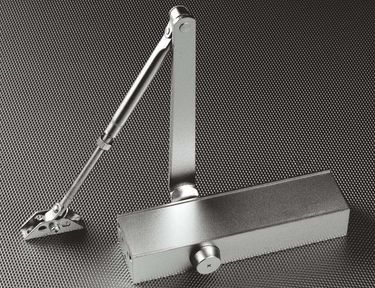
Door closers are the unsung heroes of building management. They ensure doors don't slam and always return to a latched position. For doors prone to heavy impact, such as those in hospitals or schools, adding protective plates and kick plates can significantly extend the lifespan of the door leaf.
How to Choose Door Hardware Based on Material and Finish
While function is king, form matters. The finish of your door hardware should complement the building's architectural style.
Popular Material Choices
- Stainless Steel (304 or 316 Grade): The gold standard for durability. It is corrosion-resistant, making it perfect for coastal environments or hospitals where harsh cleaning chemicals are used.
- Brass and Bronze: Offer a timeless, high-end look. They are often used in luxury hotels or heritage restoration projects.
- Aluminum: A lightweight and cost-effective option for interior commercial spaces.
Selecting the Right Finish
Should you go with Satin Chrome, Matte Black, or Polished Brass?
- Satin finishes are excellent at hiding fingerprints and scratches.
- Darker finishes (like Oil Rubbed Bronze) provide a striking contrast against light-colored doors.
- Antimicrobial coatings are an increasingly popular choice for healthcare facilities to help reduce the spread of germs on touch points.
Common Questions: FAQ for Choosing Building Hardware
What are the legal requirements for door hardware in public buildings?
Most regions require hardware to be ADA-compliant, meaning it must be operable with one hand without tight grasping or twisting. Furthermore, fire-rated doors must use hardware that is specifically UL-listed or CE-marked for fire safety.
How do I coordinate hardware across an entire project?
The best way is to create a Hardware Schedule. This document lists every door in the building and specifies every piece of hardware required for that specific opening. To ensure a cohesive look, it is best to browse a comprehensive hardware collection from a single manufacturer to ensure finishes match perfectly across different types of locks and hinges.
Can I use residential hardware on a commercial building?
It is highly discouraged. Residential hardware is not designed to withstand the frequency of use or the physical stress found in commercial environments. Using residential-grade products in a commercial setting will likely void your insurance and lead to frequent, costly replacements.
Technical Specifications and Grade Standards
When reading product descriptions, you will often see references to "Grades." These are established by ANSI/BHMA (American National Standards Institute) to help buyers understand performance:
- Grade 1: Highest level of security and durability. Tested for 1,000,000 cycles. Used for schools, hospitals, and main entrances.
- Grade 2: Intermediate level. Tested for 400,000 cycles. Good for heavy-duty residential or light commercial use.
- Grade 3: Basic level. Tested for 200,000 cycles. Recommended for interior residential doors only.
Sustainability and Smart Technology in Door Hardware
The industry is moving toward "Smart Buildings," and door hardware is leading the charge. Electronic locks and access control systems allow building managers to track who enters a room and at what time. Integrating smart hardware can also contribute to LEED certification by improving building efficiency and reducing the need for physical key replacements.
Furthermore, look for manufacturers that prioritize sustainable production methods. Stainless steel hardware is highly recyclable, making it an eco-friendly choice for green building projects.
Final Thoughts on Selecting Your Hardware
Choosing hardware is a balancing act between aesthetics, budget, and strict safety regulations. By focusing on the "Grade" of the hardware, ensuring ADA compliance, and selecting finishes that stand the test of time, you create a building that is both beautiful and functional.
Don't leave these details to the last minute. Engaging with a specialist early in the design phase can prevent costly mistakes and ensure that your fire safety protocols are airtight. Whether you need heavy-duty closers, stylish levers, or specialized fire-exit devices, Old to New provides the expertise and high-quality products required to secure and enhance any modern building project.