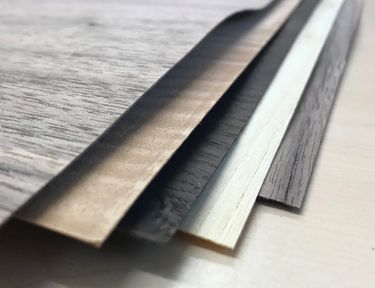
Creating a healthy home is no longer just about beautiful furniture or stylish wall panels—it’s about what’s inside the materials we live with every day. As awareness grows around indoor air quality, sustainability, and wellness-focused design, eco-friendly wood veneer has become a trusted solution for designers, architects, and homeowners seeking non-toxic interior spaces. By combining natural aesthetics with responsible manufacturing, eco-friendly wood veneer plays a vital role in modern green interiors.
In this article, we’ll explore how eco-friendly wood veneer contributes to healthier living environments, how it differs from conventional materials, and why it’s increasingly preferred over synthetic alternatives. We’ll also answer common questions like Is eco-friendly wood veneer safe for homes? and How does real wood veneer support non-toxic interiors?—helping you make informed, sustainable design decisions.
What Is Eco-Friendly Wood Veneer?
Eco-friendly wood veneer refers to thin slices of natural wood produced using sustainable forestry practices and low-emission manufacturing processes. Unlike solid wood panels, eco-friendly wood veneer is applied to stable substrates such as plywood or MDF, reducing raw timber consumption while preserving the authentic look and texture of natural wood.
Because eco-friendly wood veneer uses significantly less wood than solid lumber, it helps protect forests and minimizes environmental impact. At the same time, the material retains the warmth, grain variation, and tactile appeal people expect from real wood veneer, making it ideal for interiors focused on both health and beauty.
Why Non-Toxic Interior Spaces Matter More Than Ever
The Hidden Risks of Conventional Interior Materials
Many traditional interior finishes contain volatile organic compounds (VOCs), formaldehyde-based adhesives, and synthetic coatings that release harmful gases over time. These emissions can lead to headaches, respiratory irritation, allergies, and long-term health concerns.
In contrast, eco-friendly wood veneer is designed to limit or eliminate these risks. When sourced and manufactured responsibly, eco-friendly wood veneer supports healthier indoor environments by reducing chemical off-gassing and promoting cleaner air.
How Eco-Friendly Wood Veneer Improves Indoor Air Quality
Eco-friendly wood veneer contributes to non-toxic interior spaces in several ways:
- Uses low-VOC or no-added-formaldehyde adhesives
- Avoids plastic laminates and synthetic overlays
- Allows interiors to “breathe” naturally
- Supports sustainable, chemical-conscious design standards
Because eco-friendly wood veneer is made from real wood fibers, it behaves differently from artificial surfaces—absorbing and releasing moisture naturally, which helps regulate indoor humidity levels.
Eco-Friendly Wood Veneer vs. Synthetic Alternatives
Veneer vs. Laminate: What’s Healthier?
Plastic laminates often rely on petrochemical-based materials and high-emission resins. While they may be cost-effective, they are rarely ideal for non-toxic interior spaces.
Eco-friendly wood veneer, on the other hand, offers:
- Natural wood surfaces without plastic layers
- Lower embodied energy during production
- Reduced VOC emissions
- A more authentic, tactile finish
For homeowners searching What is the healthiest wall or furniture finish?, eco-friendly wood veneer consistently ranks as a safer and more sustainable option.
The Role of Real Wood Veneer in Sustainable Design
Real wood veneer maintains the visual and sensory qualities of solid wood while using fewer natural resources. Because real wood veneer is sliced thin—typically between 0.1 and 1 mm—it maximizes yield from each log, making it an efficient and environmentally responsible choice.
When combined with eco-conscious adhesives, real wood veneer becomes a cornerstone of eco-friendly wood veneer systems that support non-toxic interiors.
How Eco-Friendly Wood Veneer Is Manufactured Safely
Sustainable Sourcing of Natural Wood
Eco-friendly wood veneer begins with responsibly harvested timber. Sustainable forestry ensures that trees are replanted, biodiversity is protected, and ecosystems remain balanced. This approach is essential for maintaining the long-term viability of eco-friendly wood veneer production.
Low-Emission Bonding and Finishing
The key to non-toxic interior spaces lies not only in the wood itself but also in how it’s processed.
High-quality eco-friendly wood veneer uses:
- Water-based or low-VOC adhesives
- Formaldehyde-free bonding systems
- Natural oil or low-emission surface finishes
These practices significantly reduce harmful emissions, making eco-friendly wood veneer suitable for residential, commercial, and even healthcare environments.
Where Eco-Friendly Wood Veneer Is Used in Non-Toxic Interiors
Furniture and Cabinetry
Eco-friendly wood veneer is widely used in furniture, wardrobes, and cabinetry because it offers stability, durability, and a refined appearance. Compared to solid wood, eco-friendly wood veneer resists warping while maintaining the look of real wood veneer.
Wall Panels and Ceiling Applications
For feature walls and ceilings, eco-friendly wood veneer delivers warmth and texture without introducing harmful chemicals. This makes it ideal for bedrooms, living rooms, offices, and wellness-focused spaces.
Commercial and Public Interiors
Designers increasingly specify eco-friendly wood veneer for hotels, offices, and retail environments where indoor air quality is a priority. The combination of sustainability, performance, and aesthetics makes eco-friendly wood veneer a versatile solution.
Can Eco-Friendly Wood Veneer Support Long-Term Health?
Reduced Chemical Exposure Over Time
Unlike materials that off-gas for years, eco-friendly wood veneer with low-emission finishes stabilizes quickly. This means occupants experience fewer airborne pollutants throughout the lifespan of the interior.
A Natural Sensory Experience
Studies suggest that natural materials like wood can reduce stress and improve well-being. Because eco-friendly wood veneer preserves the look and feel of real wood veneer, it contributes to a calming, biophilic environment that supports mental and physical health.
How to Choose the Right Eco-Friendly Wood Veneer
Ask the Right Questions
When sourcing eco-friendly wood veneer, consider asking:
- Is the veneer made from sustainably harvested wood?
- Are the adhesives low-VOC or formaldehyde-free?
- What finishes are used on the surface?
- Is the product suitable for non-toxic interior spaces?
Balancing Design and Responsibility
Eco-friendly wood veneer is available in a wide range of species, grains, and finishes. Whether you prefer oak, walnut, ash, or exotic patterns, eco-friendly wood veneer allows you to achieve your desired aesthetic without compromising health or sustainability.
Eco-Friendly Wood Veneer and Circular Design
Less Waste, More Value
Because eco-friendly wood veneer uses thin layers of real wood veneer, it reduces material waste and makes better use of each tree. This aligns with circular design principles that prioritize efficiency and longevity.
Durability and Maintenance
Properly finished eco-friendly wood veneer surfaces are durable and easy to maintain. Their long lifespan further reduces environmental impact by minimizing replacement and renovation cycles.
Why Designers Are Turning to Eco-Friendly Wood Veneer
Interior designers increasingly recommend eco-friendly wood veneer because it meets modern expectations for wellness-focused spaces. Clients are no longer asking only How does it look?—they’re asking Is it safe? Is it sustainable?
By combining natural beauty, real wood veneer authenticity, and low-emission performance, eco-friendly wood veneer answers these questions with confidence.
Building Healthier Interiors with Eco-Friendly Wood Veneer
Non-toxic interior spaces are not a trend—they’re a necessity for healthier living. Eco-friendly wood veneer offers a practical, beautiful, and responsible way to reduce indoor toxins while celebrating the timeless appeal of natural wood.
When thoughtfully selected, eco-friendly wood veneer supports clean air, sustainable forestry, and long-lasting design value. Brands like Old To New continue to explore how responsibly made wood veneer products can help transform interiors into healthier, more natural spaces—proving that sustainability and style can coexist seamlessly.