


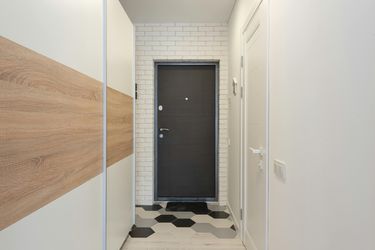
A2 Fire Rated Materials: How They Are Used in Fire Door Systems
In modern construction, fire safety is not just a matter of regulatory compliance—it is essential for protecting lives and property. Fire doors are a critical component of a building’s passive fire protection system, and their performance largely depends on the materials used in their cores. A2 fire rated materials, with their limited combustibility, low heat release, and minimal smoke production, are a key choice for designing safe and reliable fire doors. This article will provide an in-depth look at the characteristics, testing methods, and practical applications of A2 materials in fire door systems, serving as a comprehensive material selection guide for architects, engineers, and contractors.
What Is A2 Fire Rating?
A2 fire rated materials are classified under the EN 13501-1 European standard, which provides a harmonized system for evaluating the reaction to fire of construction products. Materials are assigned a rating based on their combustibility, heat release, smoke production, and flaming droplet behavior. In this classification, A1 materials are fully non-combustible, while A2 materials have very limited combustibility. This distinction allows architects, engineers, and contractors to select materials that meet both safety and building performance requirements, ensuring compliance without over-specifying costlier non-combustible products.
How A2 Fire Rating Is Tested
The performance of A2 materials is verified through standardized tests such as the Single Burning Item (SBI) test, which evaluates how a material behaves when exposed to an open flame in a controlled environment. Key factors measured include:
- Heat release rate: Ensures that the material does not contribute significantly to fire growth.
- Smoke production: Evaluates visibility and toxicity hazards in case of fire.
- Flaming droplets/particles: Determines whether burning fragments could ignite surrounding materials.
These tests simulate realistic fire conditions and provide objective data for building professionals to compare materials.
Key Characteristics of A2 Fire Rated Materials
A2 materials are specifically engineered to minimize fire risks. Their main characteristics include:
- Limited combustibility: Only a small fraction of the material can contribute to fire propagation.
- Low heat release: Reduces energy available to fuel a fire, slowing its spread.
- Minimal smoke production: Improves safety for occupants and aids evacuation.
These properties make A2 materials suitable for critical applications such as fire door cores, where both safety and structural integrity are required.
Common A2 Fire Rated Materials
Several material types meet the A2 classification and are widely used in construction:
- Mineral-based boards: Non-organic compositions with excellent fire resistance.
- Calcium silicate boards: Lightweight yet durable, with low thermal conductivity.
- Composite fire-resistant materials: Engineered layers combining mineral and inert components to optimize performance.
Selection often depends on application, mechanical requirements, and cost considerations, with attention to how each material interacts with other components in a fire door assembly.
How A2 Materials Are Used in Fire Door Systems
The primary application of A2 materials in fire doors is within the door core, where fire resistance is most critical. Key considerations include:
- Door leaf construction: A2 materials can be used as solid cores or as layered composites to balance strength and fire protection.
- Insulation layers: Enhance thermal resistance, slowing heat transfer and maintaining the integrity of the door during a fire.
- Structural stability: Prevent warping or collapse under high temperatures, ensuring the door continues to act as a barrier.
In some designs, A2 materials are combined with additional reinforcements or adhesives that also comply with fire standards, creating a complete system that maximizes safety while remaining practical for commercial and industrial installation.
Why A2 Materials Improve Fire Door Performance
The incorporation of A2-rated materials directly influences fire door performance:
- Linking materials to resistance: The limited combustibility and thermal stability of A2 products allow doors to achieve higher fire resistance ratings.
- Reliable performance: Even under prolonged exposure, doors retain their structural integrity, protecting occupants and limiting property damage.
By understanding these relationships, building professionals can make informed decisions about fire door design, ensuring compliance and optimizing safety.
A2 Fire Rated Materials vs Standard Materials
Compared with standard or combustible materials, A2 materials offer clear advantages:
- Reduced fire spread: Ordinary timber or polymer cores can accelerate fire development, whereas A2 materials contribute minimally.
- Consistent performance: Standard materials may fail unpredictably under heat, while A2 products are tested for predictable behavior.
- Code compliance: Using A2 materials helps meet legal and insurance requirements for commercial and public buildings.
This comparison highlights why A2-rated doors are preferred for critical spaces, including hospitals, offices, and factories.
A2 Fire Rated Materials in Commercial and Industrial Projects
In real-world applications, A2 materials are commonly specified for:
- Hospitals and healthcare facilities: Where safe evacuation and containment are essential.
- Offices and high-rise buildings: To maintain compartmentation and protect occupants.
- Factories and warehouses: To limit fire spread among combustible materials or chemicals.
Each setting requires careful selection of core materials and construction methods to achieve the desired fire rating.
A2 Fire Rating and Sustainable Building Design
Sustainable construction increasingly considers fire safety alongside environmental performance. A2 materials often:
Contain mineral or low-carbon content: Reducing overall carbon footprint.
Support green building goals: As they combine durability with fire safety without relying on heavy chemical treatments.
By integrating A2 fire-rated materials, architects and engineers can meet fire safety standards while supporting energy efficiency and sustainable material use.
How to Choose A2 Fire Rated Materials for Fire Doors
When selecting A2 materials, building professionals should consider:
- Application type: Doors for high-risk areas may require denser or thicker cores.
- Fire resistance ratings: Match material properties with desired fire rating (e.g., 30, 60, 90 minutes).
- Compatibility with other components: Ensure insulation, adhesives, and finishes do not compromise the A2 rating.
- Supplier reliability: Only source materials with verified test documentation to ensure compliance.
A systematic approach ensures that fire doors function as intended in the event of a fire.
Conclusion
A2 fire rated materials play a pivotal role in modern fire door systems, providing limited combustibility, controlled heat release, and minimal smoke generation. Understanding their properties, testing procedures, and integration into door assemblies allows building professionals to make informed decisions that enhance safety and compliance while supporting sustainable construction practices. By choosing Old to New A2-rated fire door materials, architects and engineers can ensure their doors meet the highest standards of performance and reliability, combining safety, durability, and trusted quality in every installation.

Contact
Beyond Protection, There's Peace of Mind.
© 2024 oldtonew Powered by ShopAstro